
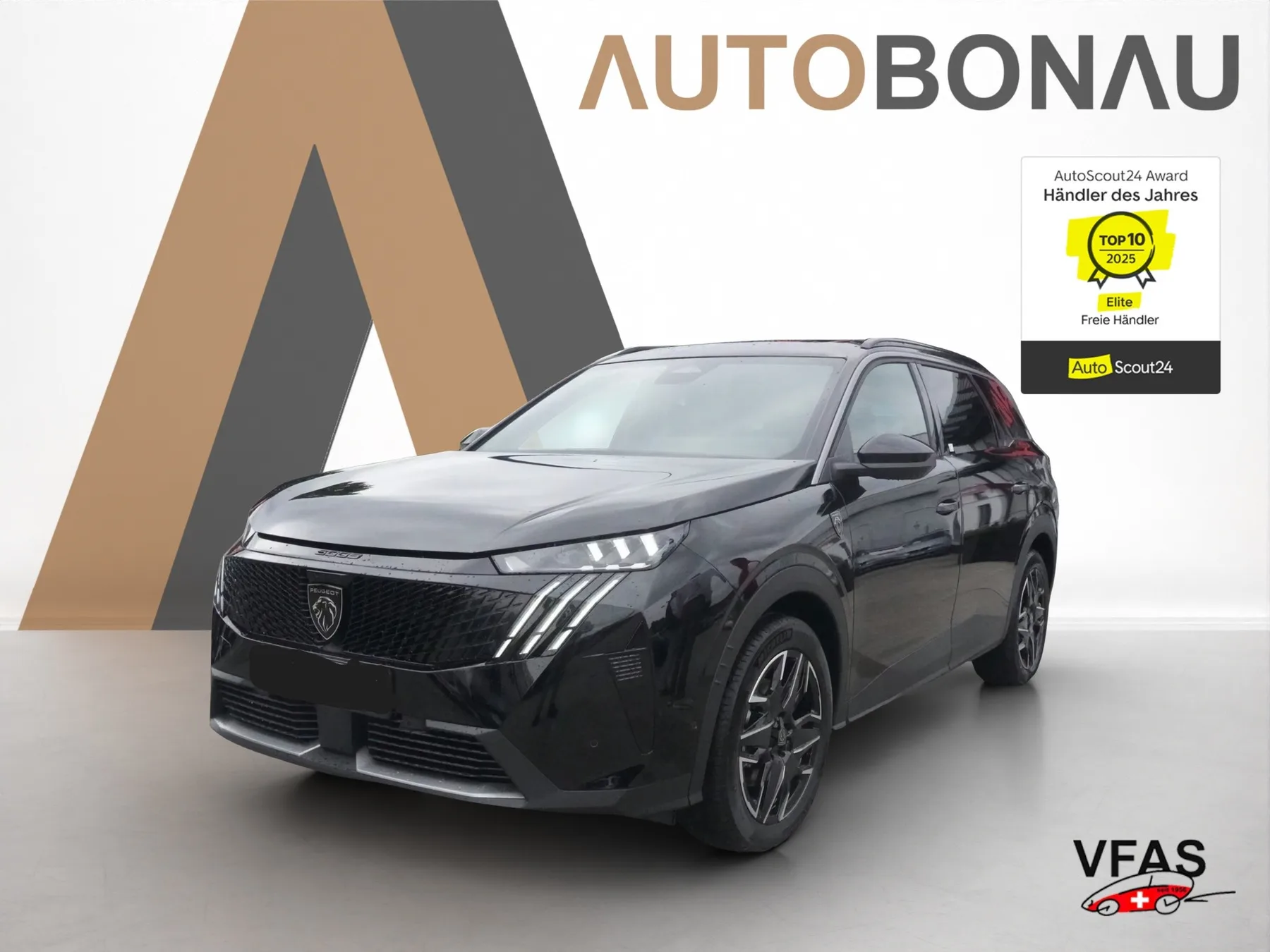
Not all hybrids are the same. Behind the names Mild hybrid (MHEV), Full hybrid (HEV) and Plug-in hybrid (PHEV) refer to three different powertrain concepts. The key differences are the role of the electric motor and whether the battery can be charged from an external power source.
The short answer:
- Mild hybrid: The electric motor supports the combustion engine. A charging cable is not necessary.
- Full hybrid: The car can drive purely electrically for short stretches and charges its battery while driving.
- Plug-in hybrid: The larger battery is charged externally and enables significantly longer electric journeys.
Which system is better depends less on the name than on your personal driving profile and the available charging option.
The most important differences at a glance
Does the vehicle have to be charged externally?
- Mild hybrid: No
- Full hybrid: No
- Plug-in hybrid: Yes, if the electrical advantage is to be used sensibly
Can the vehicle drive purely electrically?
- Mild hybrid: Usually not for a substantial distance
- Full hybrid: Yes, on short sections and in suitable conditions
- Plug-in hybrid: Yes, over a significantly greater range, depending on the model
What is each type best suited to?
- Mild hybrid: uncomplicated increase in efficiency without charging planning
- Full hybrid: City traffic and frequent braking and starting
- Plug-in hybrid: electric everyday journeys when charging is available, with a combustion engine for longer trips
Mild hybrid: electrical support without charging cable
A mild hybrid remains, at its core, a vehicle with an internal combustion engine. A small electric motor or starter generator provides support when starting and accelerating. When decelerating, the system recovers energy and stores it in a small battery. The technology often works with a 48-volt electrical system.
The driver doesn't have to change anything and doesn't have to connect a charging cable. Refueling and driving work like with a classic petrol or diesel engine. The electric component primarily helps to recover energy, start the engine faster and more quietly and reduce consumption in suitable driving situations.
A mild hybrid is usually not designed to cover long distances using electricity alone. Depending on the manufacturer and technical design, the vehicle can be briefly moved electrically when starting or maneuvering. What remains crucial, however, is that the combustion engine is the main source of drive.
Particularly good if you:
- do not have a charging option or do not want to use a charging cable
- drive many different routes
- want the familiar convenience of a petrol or diesel car
- value electric assistance and, in many models, an automatic gearbox
What is a full hybrid and how does it work?
A full hybrid has a more powerful electric motor and a larger battery than a mild hybrid. This means it can drive the vehicle without the help of the combustion engine. This typically happens when starting off, maneuvering, in stop-and-go traffic or on short sections with light loads.
A full hybrid is not plugged into a charging station. Its battery recovers energy during braking and is also charged by the drivetrain while driving. The car automatically selects the electric motor, the combustion engine or both.
A full hybrid shows its strengths particularly in city and urban traffic. There it can often recover energy and switch off the combustion engine more often. On longer highway journeys, the electric component is usually smaller.
Particularly good if you:
- often travel in the city or in stop-and-go traffic
- want short electric driving portions but cannot charge externally
- prefer an automatic hybrid system
- are looking for a middle ground between a mild hybrid and a plug-in hybrid
Plug-in hybrid: electric in everyday life, flexible on long journeys
A plug-in hybrid combines an internal combustion engine with a powerful electric motor and a significantly larger battery. This battery can be charged at home, at a wallbox or at a public charging station. This means that a plug-in hybrid can drive significantly longer distances purely electrically than a full hybrid.
Electric range depends on the model, battery capacity, temperature, route and driving style. Check the WLTP range for the specific vehicle, rather than relying on a single figure for all plug-in hybrids.
The biggest advantage arises when the typical daily routes are within the electric range and the car is charged regularly. Commuting and everyday life can then often be carried out electrically, while the combustion engine is available for longer journeys. If a plug-in hybrid is hardly charged, it carries the more complex and heavier technology without consistently using its electrical advantages.
Particularly good if you:
- can charge regularly at home or at work
- want to do many daily journeys electrically
- still want maximum flexibility for longer journeys
- are prepared to charge the vehicle consistently
Which hybrid suits my everyday life?
Before you buy, ask yourself four questions in particular:
- Can I charge regularly? Without a reliable charging option, a plug-in hybrid often does not realize its most important advantage.
- How long is my typical daily route? It is not the rare vacation trip, but normal everyday work and family life that is crucial.
- Do I drive more in the city, on country roads or on the highway? Full hybrids particularly benefit from frequent deceleration and starting. Mild hybrids remain uncomplicated on changing routes.
- Do I want to charge the car, or should the system manage everything itself? Mild and full hybrids work without external charging.
Not every model name immediately makes the technology clear. Some manufacturers use the word “hybrid” for a mild hybrid, others for a full hybrid. That's why we list the actual drive type in our advertisements and check with you what the model name means.
Full hybrid or plug-in hybrid without a home charger?
Without regular charging options, you should first consider a full hybrid. Its battery is charged while driving. A plug-in hybrid can also continue to run on gasoline when the usable electric range has been used up. However, without external charging, you make less use of its larger battery.
Having your own wallbox isn't the only option: a reliable charging spot at work can also work. Compare your daily route, available charging times and charging costs with the specific vehicle. A general savings guarantee cannot be derived from the term “hybrid”.
For a specific plug-in hybrid example, see our BYD Seal U DM-i guide with electric ranges and current offers. For a compatible used electric or plug-in hybrid vehicle, a Battery test with certificate can help inform your purchase.
Compare hybrid vehicles at Auto Bonau
The following offers come from our current inventory in Bonau TG and are updated automatically. If a type of drive is currently missing, ask us for a suitable alternative. We will confirm the availability of the specific vehicle upon your request.
Each listing shows photos, price, equipment, warranty and technical details. You can request a test drive, configure a personal offer, calculate a lease, enter a trade-in or start an online purchase.
Compare all vehicles · Request hybrid advice
55 mild hybrid vehicles available
Electrical support without a charging cable: These mild hybrids are currently available directly from Auto Bonau.
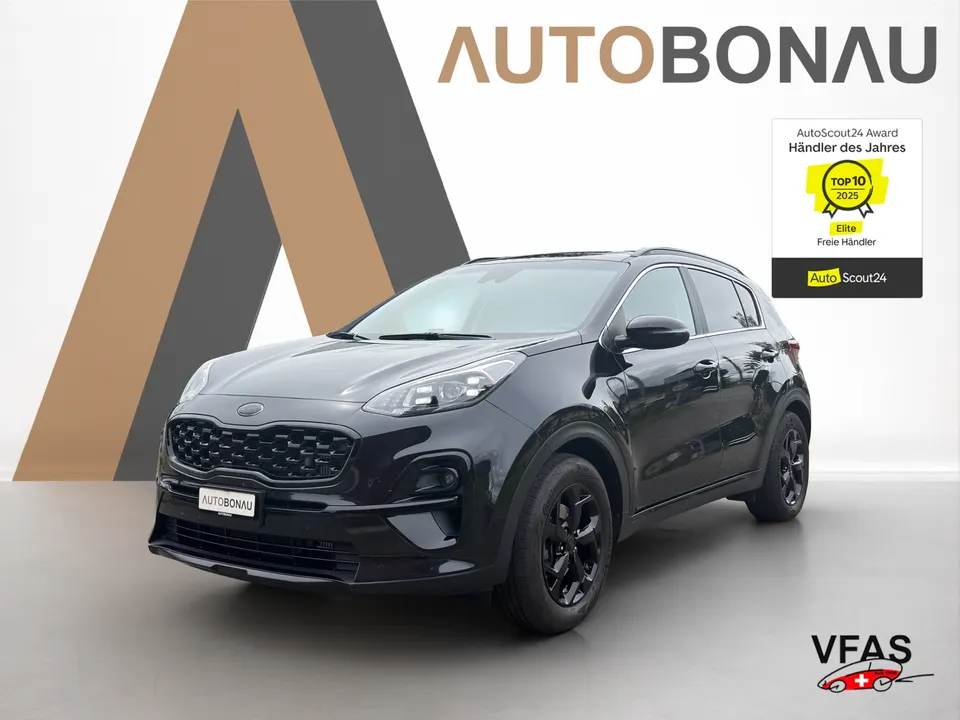 KIA SPORTAGE 1.6 CRDi MHEV 4WD Black Edition2022 · 73,000 km · Mild hybridCHF 16'499.00
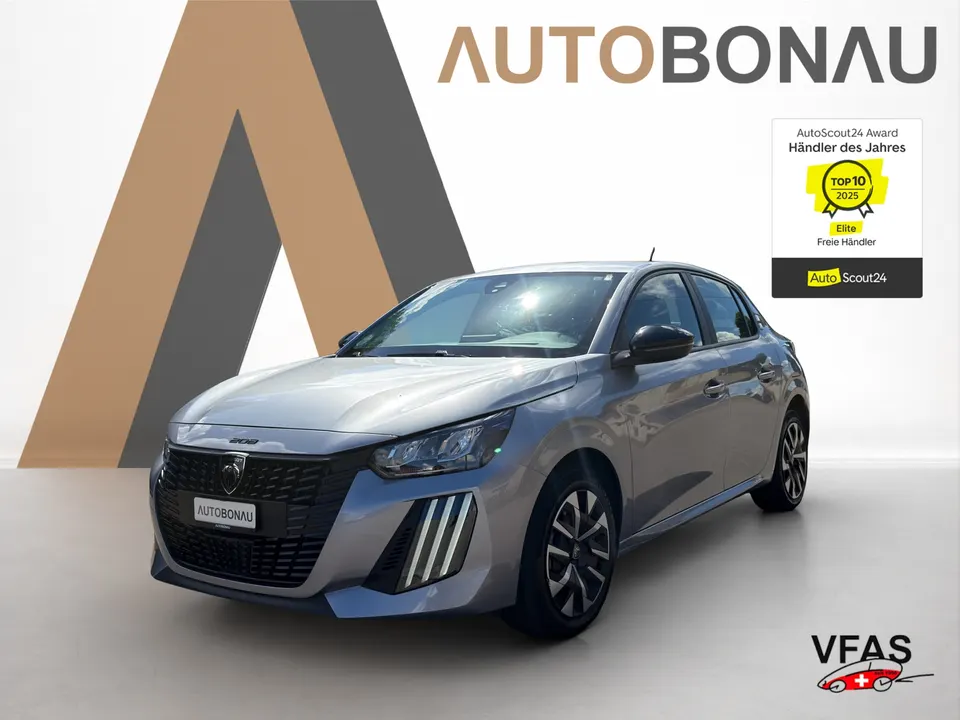 PEUGEOT 208 1.2 Hybrid Style2025 · 10,300 km · Mild hybridCHF 16'990.00
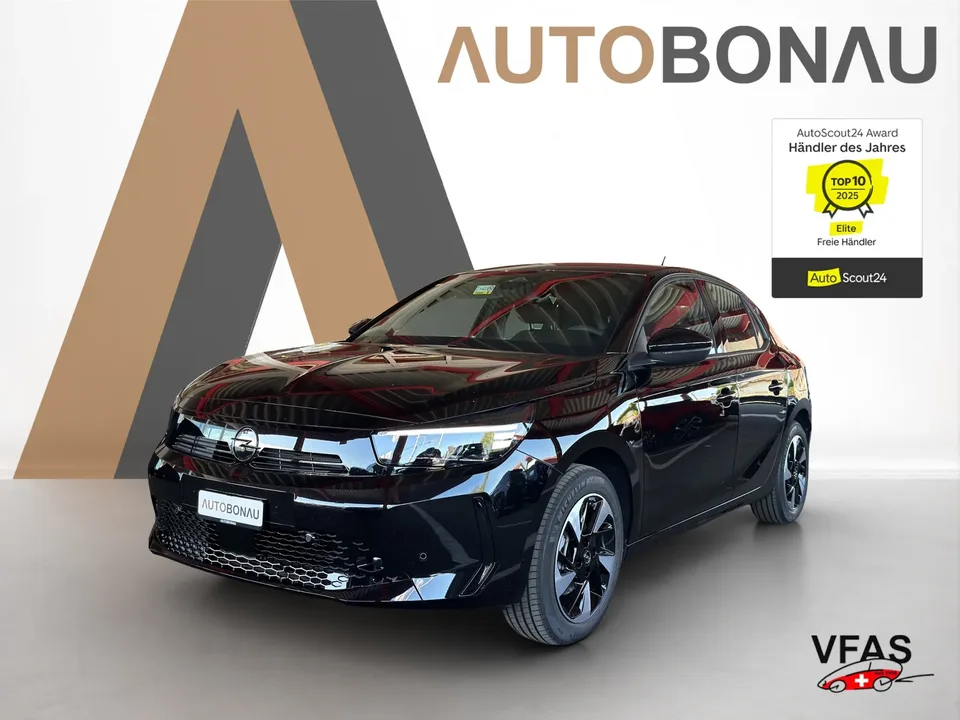 OPEL CORSA 1.2 T Hybrid GS2025 · 21,200 km · Mild hybridCHF 17'899.00
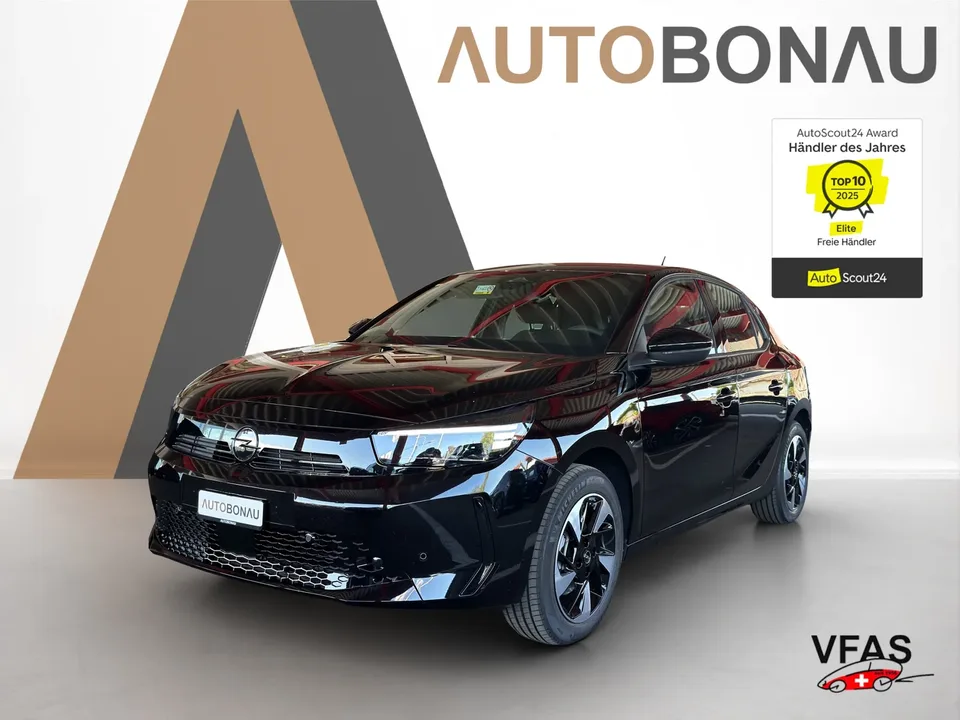 OPEL CORSA 1.2 T Hybrid GS2025 · 18,300 km · Mild hybridCHF 17'899.00
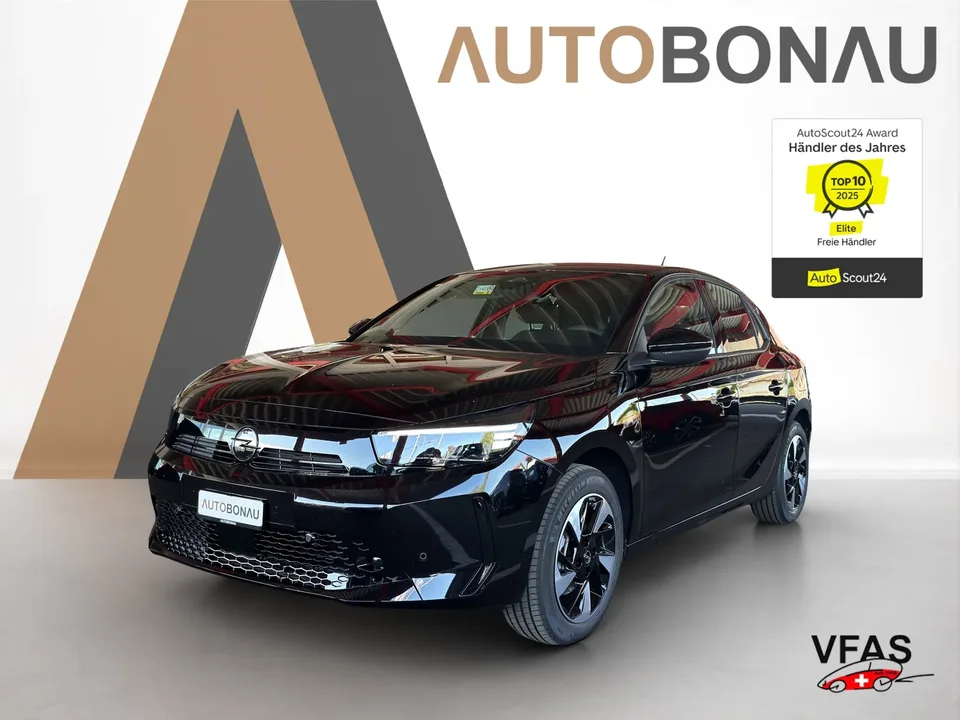 OPEL CORSA 1.2 T Hybrid GS2025 · 23,600 km · Mild hybridCHF 17'899.00
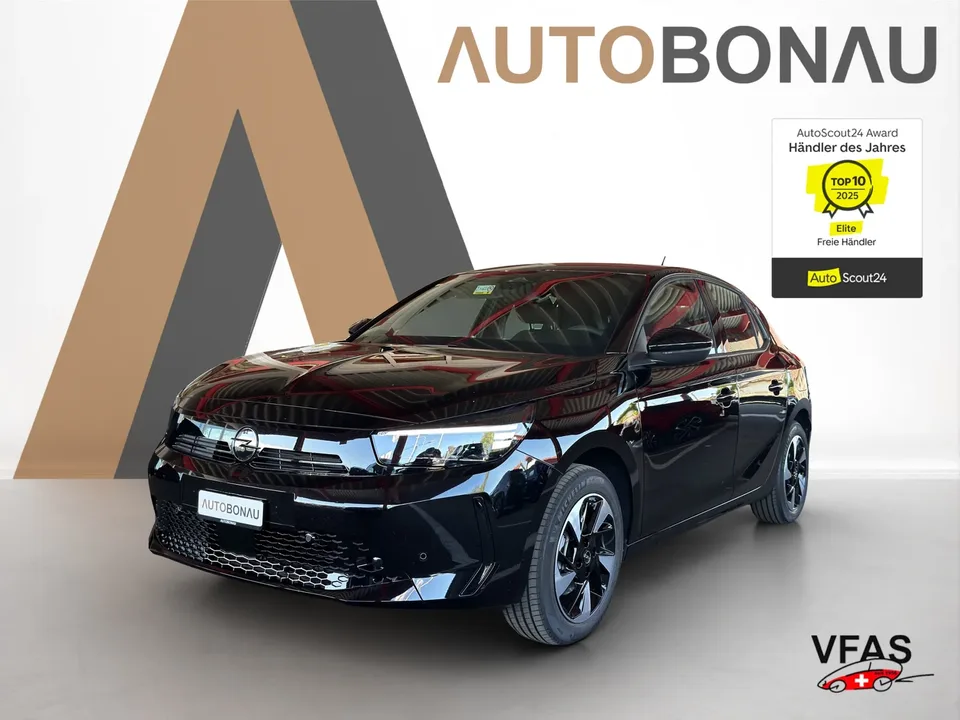 OPEL CORSA 1.2 T Hybrid GS2025 · 23,100 km · Mild hybridCHF 17'899.00
Currently no full hybrid available
Our vehicle inventory is constantly changing. Please feel free to ask us about suitable alternatives or check the current vehicle search.
14 Plug-in-Hybrid-Fahrzeuge verfügbar
Charge externally and do many everyday journeys electrically: Discover our current plug-in hybrids.
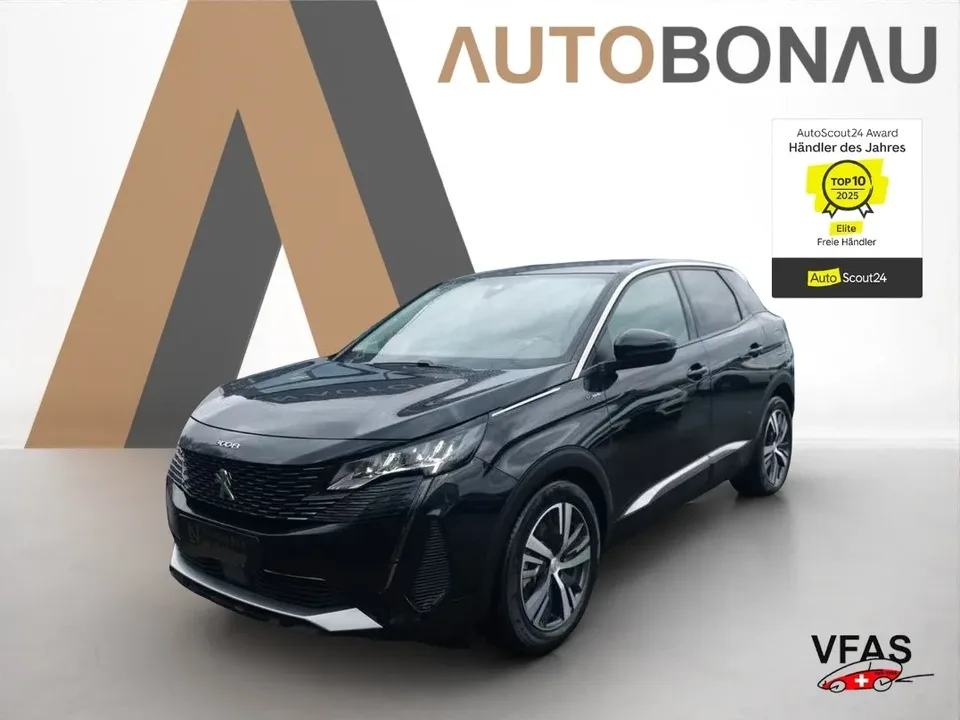 PEUGEOT 3008 1.6 Plug-in Hybrid Allure SOH 98.7%2024 · 26,900 km · Plug-in hybridCHF 19'899.00
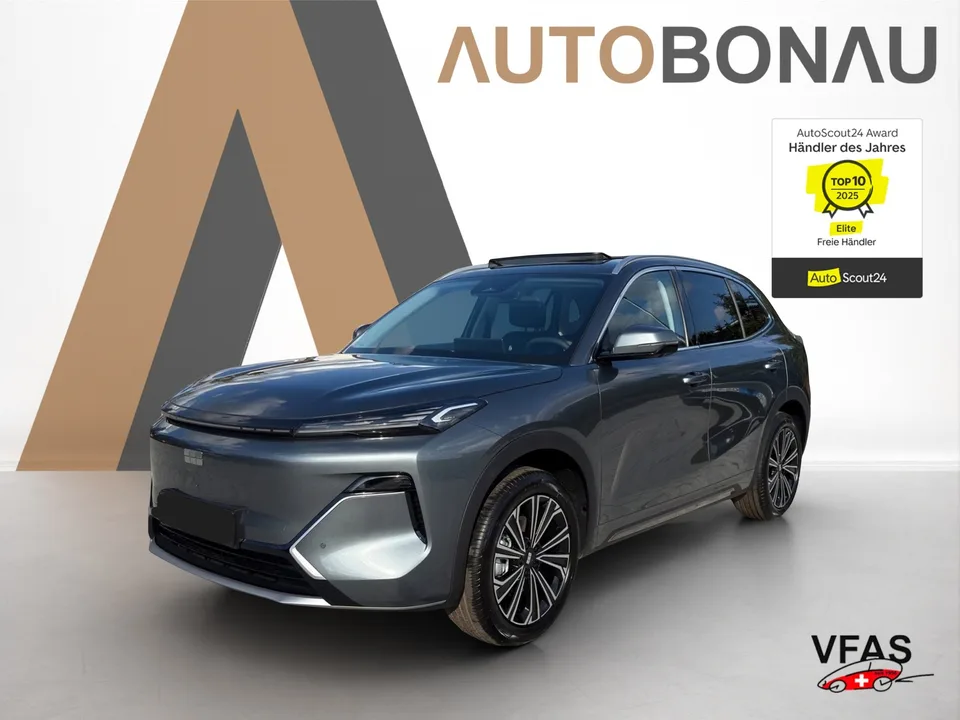 GEELY STARRAY EM-i Max+ PHEV2026 · 100 km · Plug-in hybridCHF 33,900.00
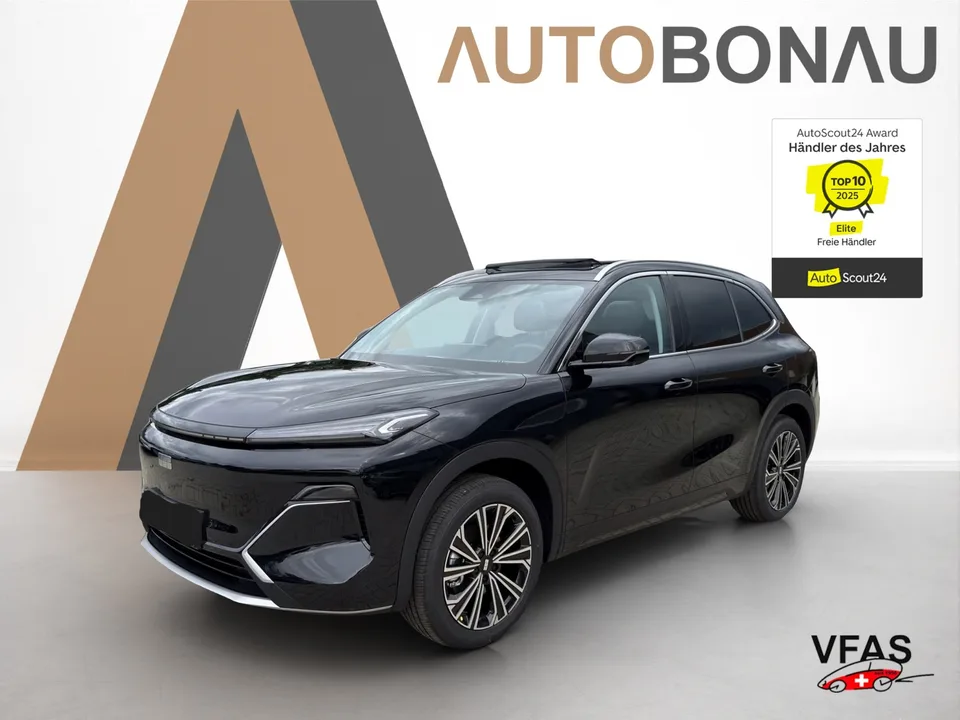 GEELY STARRAY EM-i Max+ PHEV2026 · 100 km · Plug-in hybridCHF 33,900.00
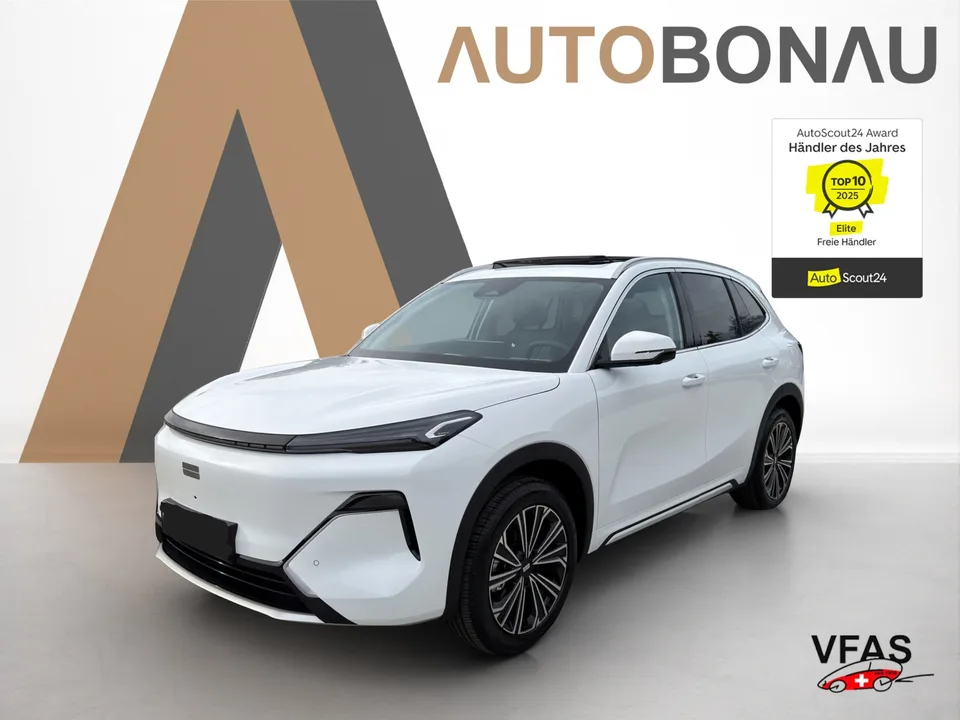 GEELY STARRAY EM-i Max+ PHEV2026 · 100 km · Plug-in hybridCHF 33,900.00
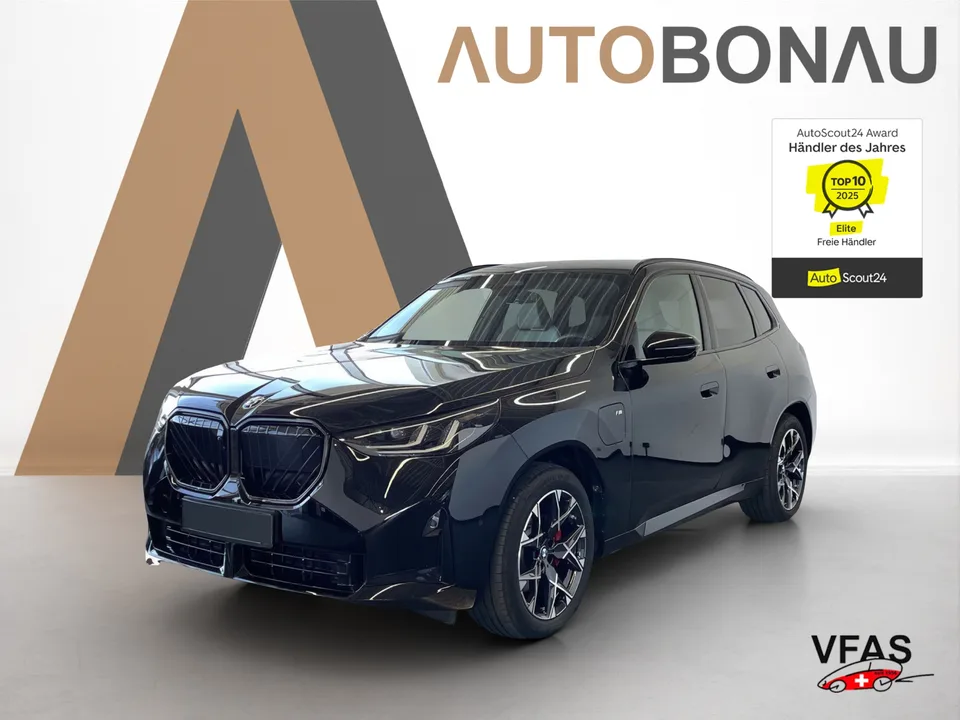 BMW X3 G45 30e xDrive M Spor Pro2026 · 6,410 km · Plug-in hybridCHF 56'990.00
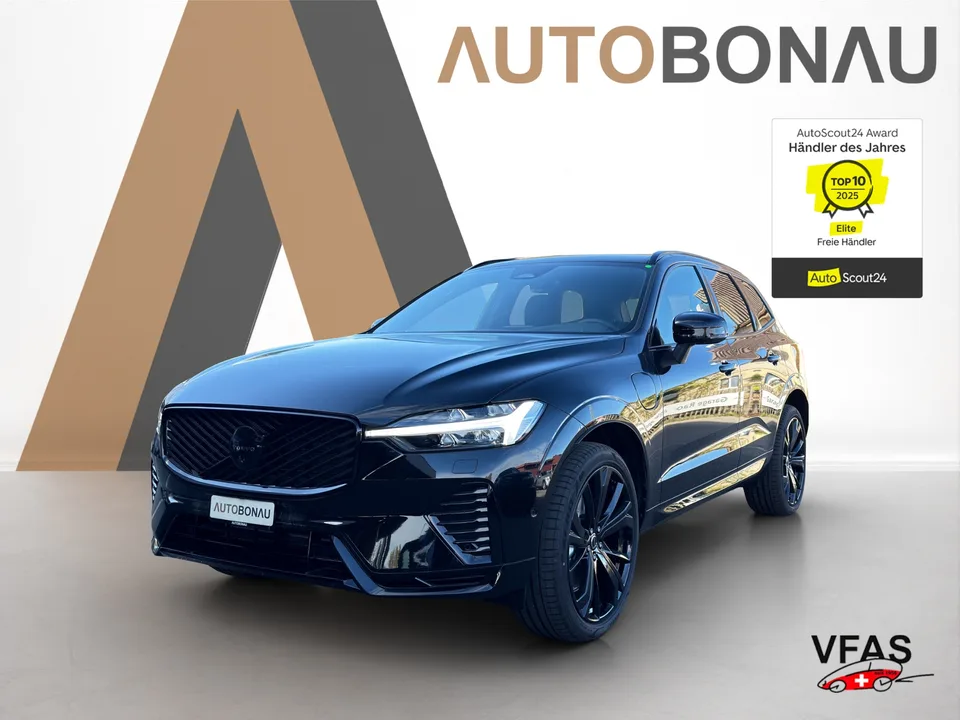 VOLVO XC60 2.0 T8 TE Black Edition eAWD2026 · 100 km · Plug-in hybridCHF 57'899.00
Frequently asked questions
What is the difference between mild hybrid and full hybrid?
In the mild hybrid, the focus is on electrical support for the combustion engine. A full hybrid can drive the vehicle solely electrically for short stretches. Neither requires an external charging port; the exact function depends on the respective drive system.
How does a full hybrid charge?
When braking and decelerating, it recovers kinetic energy and stores it in the battery. In addition, the combustion engine can generate electricity via the hybrid system. “Self-charging” does not mean that energy is generated for free.
Is a mild hybrid an electric car?
No. A mild hybrid uses an electric motor to support the combustion engine. It is usually not designed for longer all-electric journeys and is not charged externally.
Does a full hybrid have to be plugged in?
No. A full hybrid charges its battery through recuperation and the drive system while driving. It can drive short sections electrically without being connected to an external power source.
Does a plug-in hybrid have to be charged every day?
It doesn't necessarily have to be charged every day. However, its economic and electrical advantage is greatest when it is charged regularly and many journeys are within its electrical range.
What do MHEV, HEV and PHEV mean?
MHEV stands for Mild Hybrid Electric Vehicle, HEV for Hybrid Electric Vehicle or Full Hybrid and PHEV for Plug-in Hybrid Electric Vehicle.
Which hybrid is best for the highway?
This depends on your route, speed, consumption, charging options and the model. A larger battery is not automatically better for frequent long journeys without charging. We therefore compare individual vehicles and their powertrains.
Can I lease a hybrid from Auto Bonau or trade in my car?
Yes. Leasing and trade-in can be configured directly in the online offer for the respective vehicle. The values and available options are adopted in the existing purchasing process.
Compare the driving experience as well as the technology
The best way to experience a powertrain is to drive it. Open a listed hybrid, compare its equipment and price, and request a test drive or a personal quote. Our team can help you choose a powertrain that suits your everyday driving.
Sources and review date
Technical basics: Toyota Switzerland: hybrid and plug-in hybrid and Volkswagen Switzerland: Hybrid vehicles. Editorially checked on October 9, 2026. Please always check the range, charging power and electric driving functions for the specific model and model year.